Gin can seem complex at first, yet a gin tasting experience is far more approachable than many expect, especially once you shift from drinking casually to tasting with purpose.
For anyone who enjoys craft spirits and for couples planning date nights, birthdays, or girls’ days out, learning how to taste gin adds confidence to every pour. The aim is not to become an expert overnight, but to slow down slightly and notice what is already there.
With a little structure and attention, flavour recognition becomes clearer, and the experience becomes richer in a way that feels both social and personal.
What Is a Gin Tasting Experience?
A gin tasting experience differs from simply ordering a gin and tonic, as the focus moves from refreshment to sensory awareness and flavour discovery. In a guided setting, guests are introduced to the spirit neat first, then encouraged to observe aroma, texture, and finish before any mixer is added. This process reveals layers that tonic can mask, which often surprises first-time tasters.
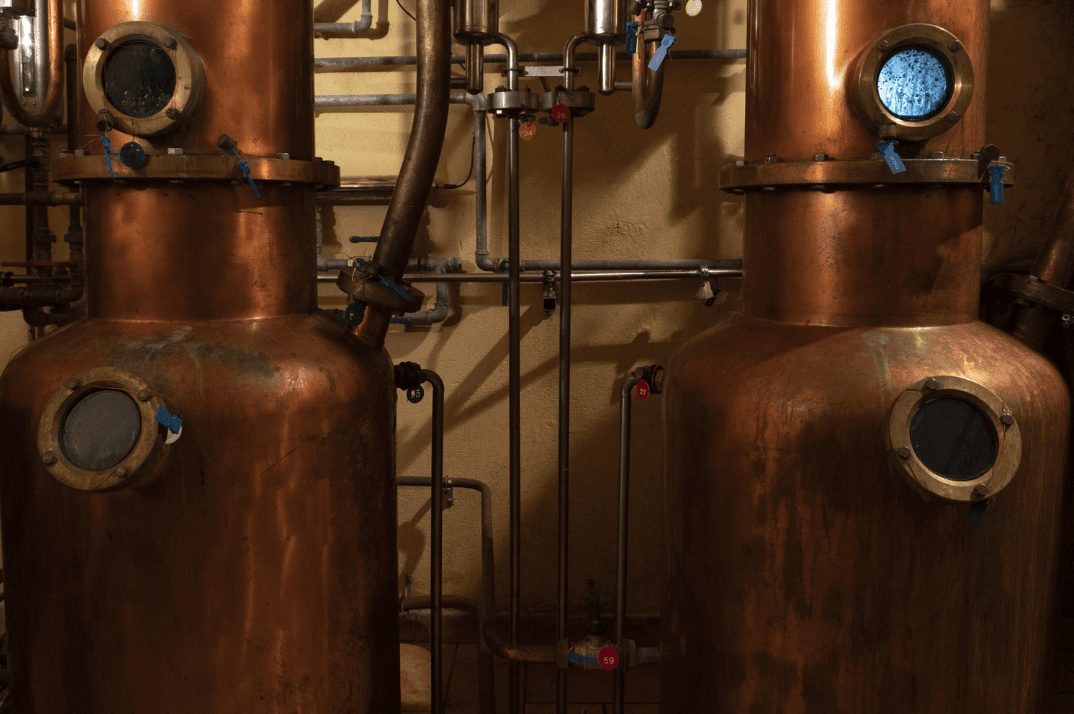
At craft distilleries such as Three Wrens, small-batch production methods and carefully selected botanicals shape each expression, so the tasting becomes an insight into how flavour is built from the ground up. Those curious about a structured session can explore a formal gin tasting experience, exactly like the ones we host at Three Wrens Gin, to see how guided sampling differs from casual drinking, and why context changes perception so noticeably.
The Botanicals That Shape Gin’s Flavour
Gin begins with juniper, yet the character of each bottle depends on the supporting botanicals that distillers select and balance with care. These ingredients are steeped or vapour-infused into neutral spirit, and each one contributes aroma, texture, and subtle complexity.
Common botanicals include:
- Juniper berries – pine-led freshness that defines gin.
- Citrus peel – brightness from lemon, orange, or grapefruit.
- Coriander seed – gentle spice with a hint of citrus.
- Angelica root – earthy depth that binds flavours together.
- Floral elements – notes such as elderflower or lavender.
- Spices and herbs – cardamom, cinnamon, or fresh garden herbs.
Distinctive flavour profiles, such as fruit-forward or softly spiced styles, reflect how these botanicals are layered and balanced. When tasting craft gin, recognising these building blocks strengthens confidence and sharpens perception.
Prepare Your Senses Before You Taste
Preparation influences flavour perception more than many realise, so small adjustments can improve clarity immediately.
- Choose the right glassware – A tulip-shaped glass concentrates aroma and directs it upward.
- Avoid scent interference – Strong perfume, scented candles, or cooking aromas can distort subtle notes.
- Serve at the correct temperature – Room temperature reveals more character than ice-cold spirit.
- Add water sparingly – A few drops can open aroma, yet too much dilutes the structure.
Approach tasting as a mindful exercise rather than a quick sip, and flavours tend to appear more distinctly.
How to Taste Gin Properly

A structured approach helps beginners develop consistency and identify flavour patterns with greater accuracy.
- Look – Observe clarity and viscosity, noting how the liquid coats the glass.
- Swirl – Gently rotate the glass to release aroma compounds.
- Nose – Inhale softly through the nose, identifying first impressions without forcing specific descriptors.
- Sip – Take a small sip, allowing the spirit to coat the palate before swallowing.
- Finish – Notice how long flavours linger and whether warmth or spice develops.
| Stage | What to Notice |
| Look | Clarity, thickness, slow-moving legs |
| Nose | Intensity, freshness, dominant aromas |
| Sip | Texture, flavour progression, balance |
| Finish | Length, warmth, evolving spice or citrus |
This method builds familiarity over time, and repetition strengthens recognition.
Common Flavour Families You’ll Start to Recognise
As tasting practice continues, flavour groupings become easier to identify, and patterns begin to emerge across different bottles.
- Citrus-led – bright, zesty, and crisp.
- Herbal – rosemary, thyme, or fresh garden notes.
- Floral – delicate blossom or perfumed hints.
- Spiced – pepper, cardamom, or warming cinnamon.
- Earthy – root-driven depth from angelica ororris.
- Sweet-fruit – soft berry or orchard fruit character.
There is no single correct answer when describing flavour, and personal perception varies slightly from person to person. Confidence grows through comparison rather than perfection.
Why Your First Gin Tasting Experience Might Surprise You
Many people associate gin solely with tonic, yet tasting neat spirit reveals texture and structure that mixers often conceal. The alcohol warmth may feel more pronounced at first, though layered botanicals create complexity that lingers beyond the initial sip. Guided sessions highlight these contrasts clearly, transforming what might seem sharp into something balanced and expressive.
Experiencing gin in this focused way often shifts perspective, turning a familiar drink into a more thoughtful exploration. Shared tastings during date nights or group celebrations frequently become memorable talking points, strengthening the social aspect alongside the sensory discovery.
Mistakes Beginners Often Make
New tasters sometimes limit their own experience through habits that are easy to adjust.
- Drinking too quickly without pausing between sips.
- Adding tonic immediately before assessing the neat flavour.
- Searching for the “correct” tasting note instead of personal impressions.
- Overthinking subtle differences and losing enjoyment.
Slowing the pace and trusting individual perception improves both confidence and clarity.
Ways to Improve Your Tasting Skills at Home
Practice outside a formal setting reinforces what is learned during a guided gin tasting, and small experiments can sharpen awareness further.
- Host a mini tasting with friends, sampling two contrasting styles.
- Compare gins side by side to highlight differences in botanicals.
- Keep brief notes on aroma, texture, and finish.
- Revisit the same bottle weeks later to see how perception evolves.
Consistent comparison builds familiarity with gin flavour profiles and refines sensory recall over time.
Ready to Try a Guided Gin Tasting Experience?
Reading about how to taste gin builds foundation knowledge, yet a structured gin tasting experience accelerates progress through expert guidance and curated samples.
In Cheshire, visitors to Three Wrens Gin can explore our behind-the-scenes production methods and sample small-batch expressions within the distillery environment, which deepens appreciation for craft processes and botanical selection.
Those interested in learning more about available sessions, group bookings, or upcoming dates can contact us for further details if you want to know more before you book.